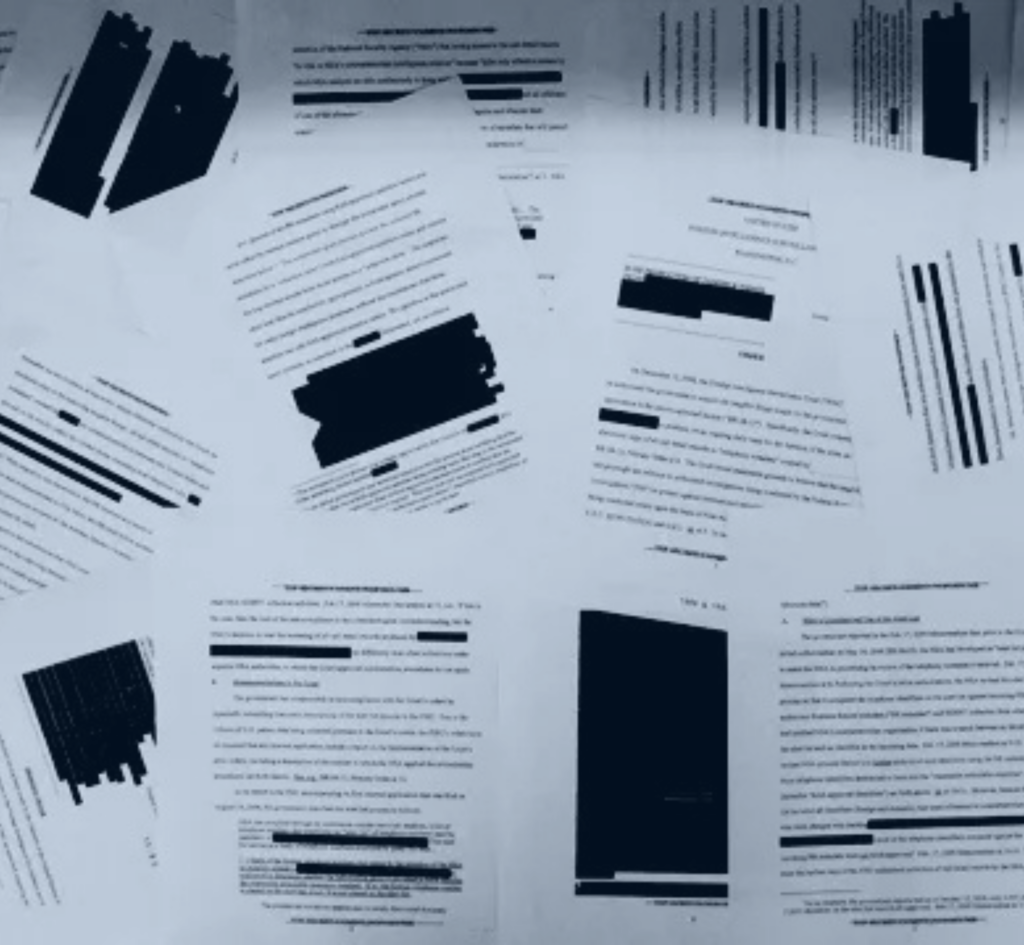
In recent weeks, a little-known NGO called Impact Unfiltered has found itself at the center of a troubling controversy in Brussels. The organization claimed that thousands of consumer submissions to the EU Tobacco Tax Consultation were not genuine, but rather coordinated, industry-driven, or outright fake. Despite offering no transparent methodology or verifiable evidence, those claims were taken seriously in policy circles, raising the possibility that the real voices of citizens could be ignored in the EU’s decision-making process.
What followed was not simply a dispute about one consultation. It exposed a deeper question: who gets to decide which voices count in public policy?
The Impact Unfiltered case is a glimpse into how power, money, and moral authority increasingly shape what is heard and what is quietly dismissed.
When Public Participation Becomes “Inconvenient”
The case didn’t start as a scandal. It started as something far more dangerous: a bureaucratic shrug. Thousands of citizens participated in the consultation, believing, quite reasonably, that their views would be considered (because that’s why consultations exist).
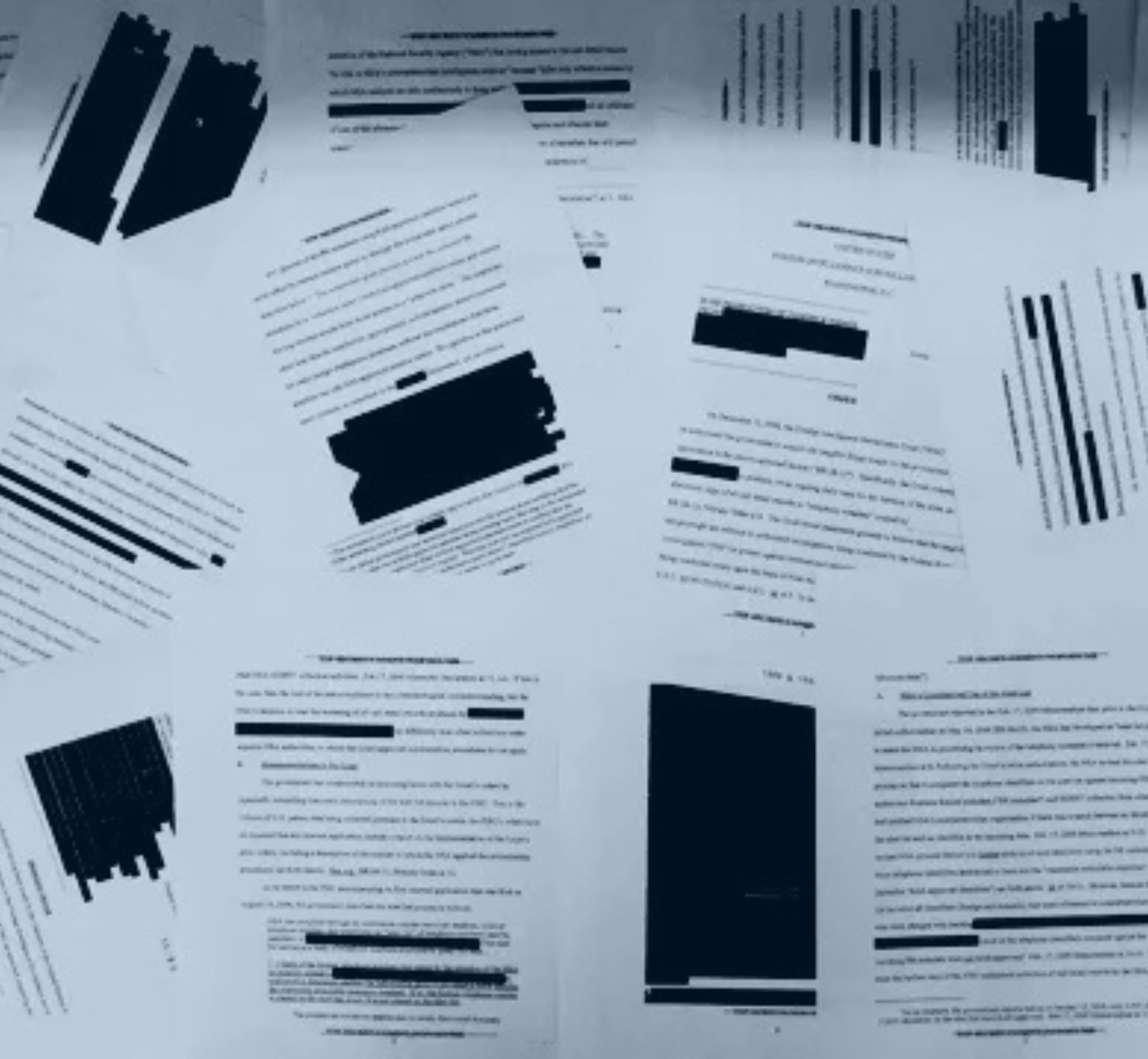
Then an obscure NGO appeared, asserting those responses that resonated with THR policies were “fake,” “coordinated,” or industry-linked. No solid evidence followed. No transparent criteria were shared. Yet the accusation lingered.
That should concern anyone who still believes democratic governance depends on participation. Once public input is treated as valid only when it aligns with preferred outcomes, consultations stop being democratic tools and become mechanisms of exclusion. They are no longer designed to listen, but to filter out disagreement, reducing public consultations to a rubber‑stamp step for the Commission instead of a source of policy‑guiding evidence.
Bloomberg’s Billions and Narrative Power
Furthermore, this episode did not emerge in isolation. Investigations into the global anti–harm reduction ecosystem show how billions in philanthropic funding, much of it linked to Michael Bloomberg, have reshaped public health advocacy into a highly professionalized political network.
We’re not talking about marginal organizations operating on shoestring budgets. These people are well-funded actors with access, influence, and institutional credibility. And when that level of money dominates a policy space, it does more than support advocacy; it defines legitimacy.
Positions aligned with this worldview are automatically endowed with moral legitimacy, while opposing perspectives, particularly those of consumers and ordinary people whose lives have improved through technology, are met with skepticism before any serious consideration. Lacking money, access, or institutional backing, their voices are easy to dismiss.
Moral Ambition as a Political Weapon
What gives this ecosystem its power is not only funding but also moral framing.
Many organizations operate less like pluralistic civil society actors and more like ideological missions. Young professionals are recruited into an environment where policy work is framed as a moral battle rather than a process of balancing interests and evaluating evidence.
Impact Unfiltered fits seamlessly into this logic. It did not need to conclusively demonstrate that consumer voices were fake. It only needed to imply moral contamination. Once that implication is accepted, dismissing thousands of citizens becomes not only acceptable but framed as responsible governance.
For them, the real threat isn’t vaping — It’s democratic participation.
Remove nicotine from the equation, and the implications become impossible to ignore. If large groups of citizens can be delegitimized simply because their views clash with a well-funded moral consensus, public participation ceases to be a safeguard. It becomes a performance, tolerated only when it confirms what power already believes.
The Impact Unfiltered case exposed a system increasingly comfortable treating citizens as obstacles rather than partners in governance. If that logic prevails, the question is no longer whether public consultations matter, but how much democratic legitimacy is being quietly sacrificed in the name of “moral certainty”.


 EN
EN  EU
EU  FR_BE
FR_BE  CS
CS  NL_NL
NL_NL  EN_GB
EN_GB  FR
FR  IT
IT  PL
PL  PT
PT  ES
ES  SV
SV  DE_AU
DE_AU  DE_DE
DE_DE  DA
DA  EL
EL  FI
FI  HR
HR  GA
GA  MT
MT  RO
RO