
Later this year, leaders from all over the world will meet in Geneva at COP11, a major gathering organised by the World Health Organization (WHO) to shape tobacco policy. Although the goal is to reduce illnesses and deaths from smoking, the current approach threatens to overlook one of the best tools we have—harm reduction.
Harm reduction is a simple but humane concept: instead of just telling people to quit smoking—a challenge that’s incredibly hard and, for many, simply not possible—we must offer more options.
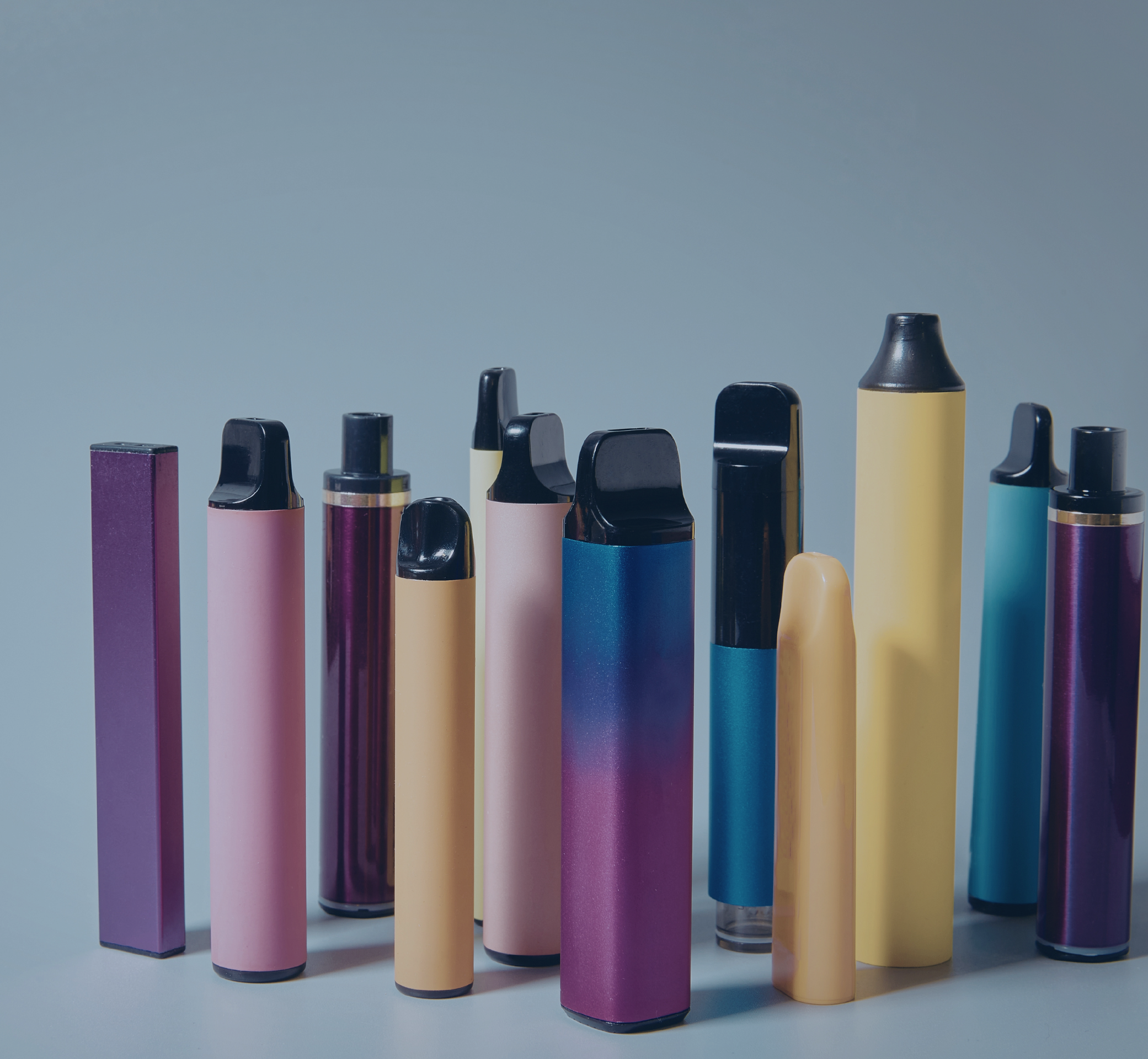
People who smoke deserve access to less harmful alternatives like vaping, nicotine pouches, and heat-not-burn products. Science has shown that these products are significantly less harmful than traditional cigarettes. They don’t involve combustion, which is what produces the toxic smoke that causes cancer, heart disease, and other fatal illnesses. Removing the smoke removes most of the harm.
Around the world, millions of former smokers have already succeeded in quitting by switching to these alternatives. Countries that have listened to the evidence, like Sweden, the UK, and New Zealand, have seen rapid drops in smoking rates. Their secret? Giving people safer choices—real, practical alternatives to cigarettes—rather than insisting on an “all or nothing” approach. Yet, at COP11, instead of welcoming these advancements, the agenda tries to dismiss harm reduction as just a “narrative,” ignoring both science and the lives changed by safer products.
Even more frustrating is how smaller countries like Trinidad and Tobago are often ignored in these international discussions, overshadowed by the powerful influence of wealthy donors such as Michael Bloomberg. But Trinidad and Tobago is far more important than anyone’s ego. The nation should refuse to be sidelined and insist that its voice is heard clearly and strongly.
Now is the moment for Trinidad and Tobago to show real leadership. The delegation should speak out forcefully in favour of evidence-based policymaking and defend the right to access safer alternatives. Instead of allowing ideological bias to dominate, they can call for open, constructive dialogue that includes all the tools needed to reduce smoking.
By standing up for harm reduction, Trinidad and Tobago would champion not only its own public health but set a powerful example for other small and medium countries often overlooked at these negotiations. Advocating for transparency, rejecting blanket bans on safer products, and insisting that consumers have a seat at the table are crucial steps forward.
Tobacco harm reduction is not a trick or a narrative; it’s a life-saving strategy. Trinidad and Tobago has the power and responsibility to be a voice for science, fairness, and progress at COP11. The world is watching. It is time to speak up.
Originally published here

 EN
EN  EU
EU  FR_BE
FR_BE  CS
CS  NL_NL
NL_NL  EN_GB
EN_GB  FR
FR  IT
IT  PL
PL  PT
PT  ES
ES  SV
SV  DE_AU
DE_AU  DE_DE
DE_DE  DA
DA  EL
EL  FI
FI  HR
HR  GA
GA  MT
MT  RO
RO