

Welcome to the third day of COP11. Unfortunately, we don’t have any new updates to share with you today because consumer voices and the public are being shut out from these important negotiations about measures that will directly affect us. Behind closed doors, the talks on the so-called “forward-looking measures” are likely underway.
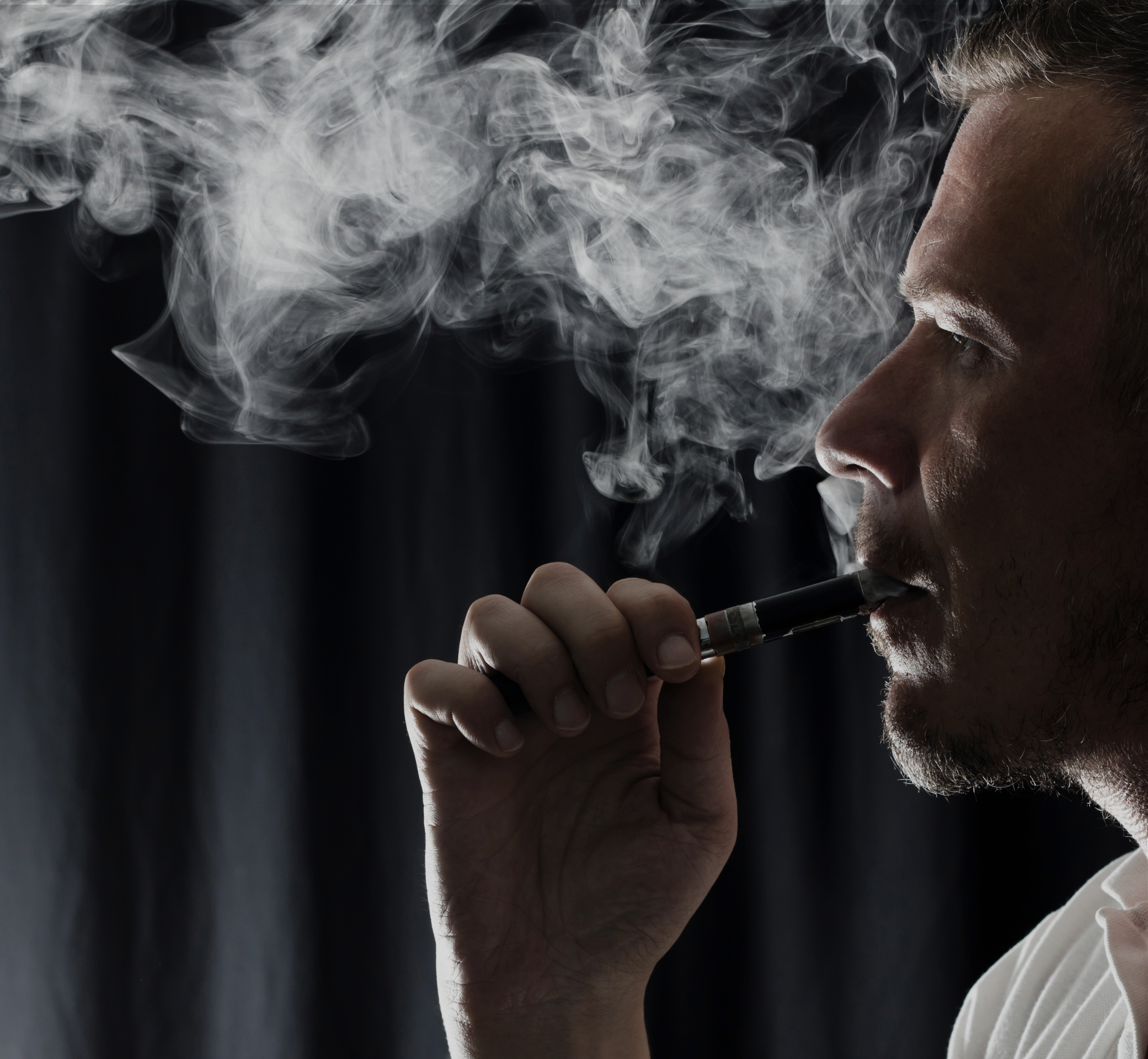
Since we can’t be in the room, it’s essential to understand what’s on the table. Here’s a quick summary of the forward-looking proposals impacting vaping, nicotine pouches and heated tobacco:
– Ban on all flavouring agents and additives in tobacco products.
– Setting very low nicotine content levels in combustible tobacco products.
– Freezing tobacco supply by limiting brands and reducing product variants.
– Reducing the number of retail outlets allowed to sell tobacco and nicotine products.
– Increasing the minimum legal age for tobacco sales.
– Nationalising the commercial sale of tobacco products.
Clive Bates critiques these measures sharply in his fantastic “FCTC COP-11 – a survival guide for delegates.” He warns that banning flavours essentially bans or severely restricts safer products, since flavours are critical to their acceptability. Low nicotine limits in cigarettes are likely to push smokers towards illicit high-nicotine products instead of quitting. Brand freezes and product variant restrictions stifle innovation and slow down smokers’ shift away from combustible tobacco. Limiting retail access increases user costs and may push consumers towards illegal markets. Uniformly raising the legal age for all nicotine products misses the chance to encourage switching to less harmful alternatives. And nationalising tobacco sales risks driving markets underground without recognising the benefits of safer nicotine products. Bates argues that these punitive, prohibitionist policies undermine harm reduction efforts and ultimately fail those trying to quit smoking.
As we await the final decisions behind closed doors, the overwhelming trend in the last two days of statements from 104 countries hasn’t been hopeful. Most still push bans and restrictions over science and evidence. But there are some rays of hope: countries like Albania, North Macedonia, Serbia, Gambia, Mozambique, and Saint Kitts and Nevis have voiced support for harm reduction and evidence-based policies. Notably, the EU was blocked by some member states from backing these forward-looking measures, so they won’t be put to a vote.
We’ll keep watching and reporting. Remember, real progress comes from practical support, honest information, and giving smokers safer choices, not more bans. Stay informed and stay engaged.
Here you can find more information about COP11.


 EN
EN  EU
EU  FR_BE
FR_BE  CS
CS  NL_NL
NL_NL  EN_GB
EN_GB  FR
FR  IT
IT  PL
PL  PT
PT  ES
ES  SV
SV  DE_AU
DE_AU  DE_DE
DE_DE  DA
DA  EL
EL  FI
FI  HR
HR  GA
GA  MT
MT  RO
RO