
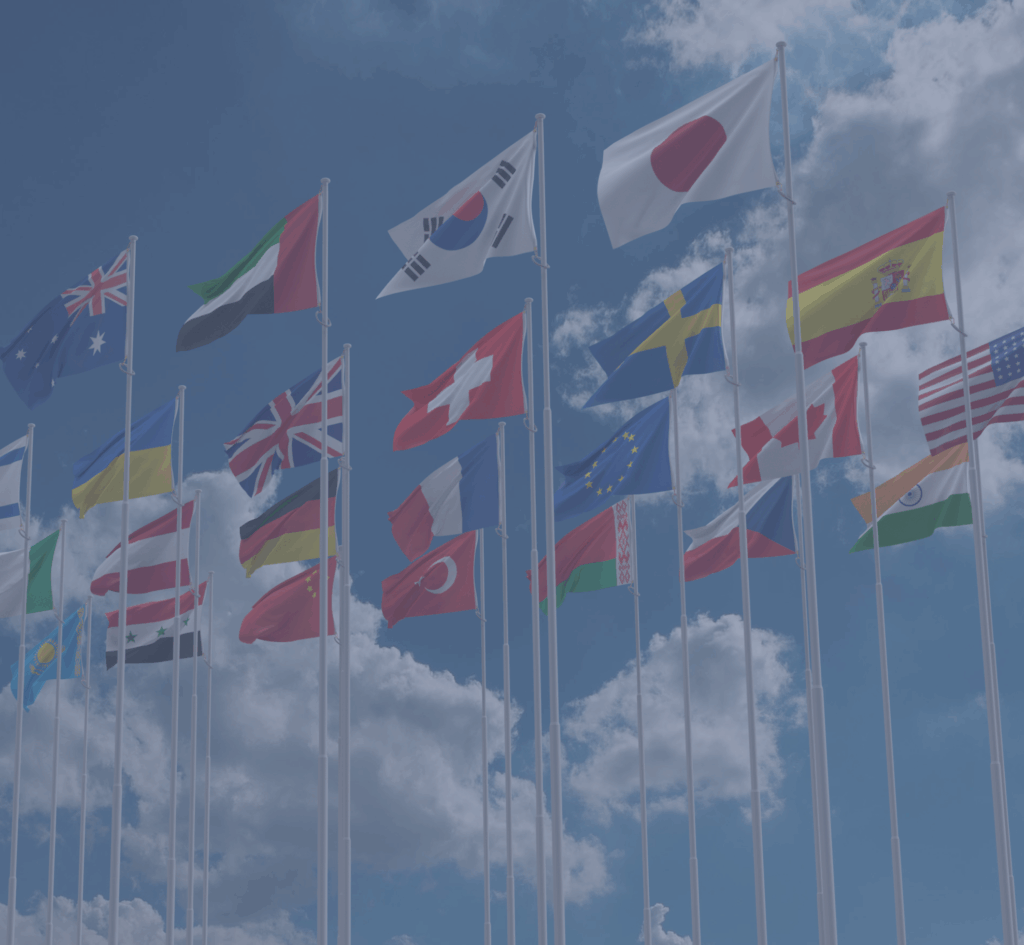
Last week, the World Health Organization hosted COP11, its flagship global tobacco control conference, and instead of reinforcing its grip on nicotine policy, it revealed how fragile its agenda has become.
From the outset, the WHO attempted to push through stricter global measures against vaping, nicotine pouches, and heat-not-burn products — all without scientific justification, public transparency, or consumer inclusion. But over the course of the week, that strategy began to unravel. What was supposed to be a quiet rubber-stamping of anti-nicotine proposals turned into an open challenge to WHO’s authority.
A growing number of countries, including New Zealand, Albania, Gambia, Mozambique, North Macedonia, Saint Kitts and Nevis, and Serbia, pushed back, defending their right to adopt policies that reflect their own realities. They called for flexibility over mandates and harm reduction over prohibition.
The final outcomes of COP11 reflect that resistance. Many of the most aggressive “forward-looking” provisions were softened or turned into non-binding guidelines. The WHO and its donor-driven network of NGOs were forced to retreat, unable to impose their top-down model without sparking broader dissent.
The fact that New Zealand, a global success story in harm reduction, was given the “Dirty Ashtray” award for its pragmatic approach only reinforced the absurdity of the current system. It was a moment that symbolised just how ideologically captured and disconnected WHO-aligned organisations have become.
The EU’s Internal Conflict Spilled into the Open
One of the biggest shocks of the week came from within the European Union’s own delegation. Despite having agreed not to push for global bans and forward-looking measures, the European Commission and Danish COP Presidency attempted to do precisely that — behind closed doors and without mandate.
This sparked immediate resistance from Italy, Greece, and Poland, who rejected the move and exposed a deeper rift between national governments and Brussels bureaucrats. The story has become a preview of the battles to come as the EU prepares to update its Tobacco Products Directive (TPD) and Tobacco Excise Directive (TED).
If the Commission is willing to defy internal consensus and side with prohibitionists at COP11, what can consumers and stakeholders expect at EU-level negotiations?
The Final Days: A Shift in Tone, But Not in Transparency
By Saturday, the ideological momentum behind new bans had largely stalled. Many of the most hardline proposals failed to make it through. The language was softened, the cigarette filter ban was removed, and all measures exceeding the convention were made voluntary rather than binding, leaving the final decision to national governments. This was a clear sign that the WHO’s top-down model had lost steam.
As a result, COP11 could only reach an agreement on certain environmental and liability issues, while the FCTC Secretariat was forced to postpone most of their proposals to COP12, which will take place in Armenia in 2027.
Another key moment came when St. Kitts and Nevis called for tobacco harm reduction products to be recognised as part of public health strategies. The proposal rallied significant support from other delegations, showing that more countries are ready to stand up for science and pragmatism. However, due to entrenched opposition from prohibitionist blocs, no consensus was reached, and the proposal was not included in the final outcomes.
However, the structural flaws of the COP process remain intact. Meetings were still held behind closed doors. Consumers were still excluded. And decisions were still shaped more by private donors than by public health professionals or real-world evidence.
Yes, the tone may have shifted — but the process hasn’t. Until the WHO opens its doors and includes the people its policies affect, COP will remain a legitimacy crisis in motion.
We must continue to demand consumer inclusion, genuine transparency in policymaking, and an honest, science-based approach to nicotine regulation. That means keeping the pressure on the WHO and holding institutions like the European Commission. The momentum is real, but now is the time to accelerate it, not retreat.




 EN_GB
EN_GB  EU
EU  FR_BE
FR_BE  NL_BE
NL_BE  CS
CS  NL_NL
NL_NL  EN
EN  FR
FR  IT
IT  PL
PL  PT
PT  ES
ES  SV
SV  DE_AU
DE_AU  DE_DE
DE_DE  DA
DA  EL
EL  FI
FI  RO
RO