
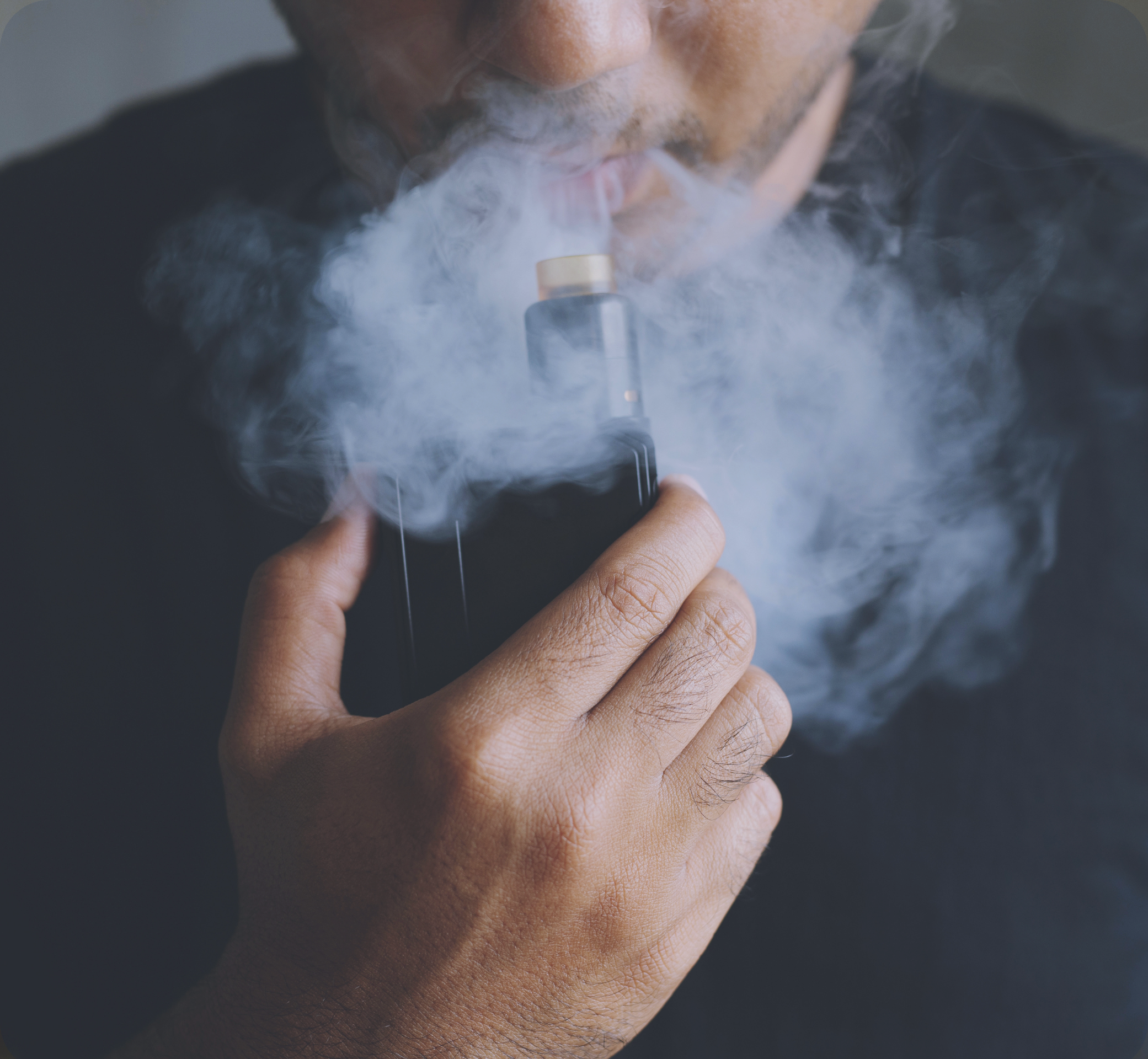
For years, Brazil has relied on a simple approach to vaping: ban it and move on. No real distinction between products, no serious discussion about regulation, just a total prohibition that, in practice, hasn’t stopped use at all.
Now, that approach is being challenged.
Brazil’s Federal Public Prosecutor’s Office (MPF) has filed a public civil action that could replace the country’s blanket ban on electronic cigarettes with a strict regulatory framework. And what’s striking isn’t just the legal move itself — it’s the logic behind it.
A rare moment of honesty in public health policy
The MPF openly acknowledges something that often gets ignored in these debates: banning a product doesn’t make it disappear. According to the prosecutors, prohibition creates a false sense of security while fueling illegal markets and smuggling networks.
UM study by the University of São Paulo (USP) shows that Brazil loses R$13.7 billion in tax revenue every year due to the illegal trade in vapes and counterfeit cigarettes. The lack of regulation fuels the black market, generating R$7.81 billion in untaxed sales.
That matters because when products are pushed underground, there are no quality standards, consumer protections, reliable information, or real oversight. People still use them, just without rules, quality control, or age checks.
That’s the complete opposite of protecting public health.
Regulation doesn’t mean permissiveness
What’s being proposed is not a free-for-all. Quite the opposite.
The MPF is calling for a regulatory model with clear and strict rules: mandatory product registration, limits on nicotine levels, explicit health warnings on packaging, and a complete ban on advertising aimed at children and adolescents. The action also demands transparency, including detailed data on consumption and a defined timeline for implementation.
Acknowledging reality and responding with control, enforcement, and accountability, this is what serious regulation looks like, and that’s the approach Brazil should have had for the last years.
Why this debate matters now
The current approach hasn’t reduced demand; in fact, it has increased, with the number of users rising from 500,000 in 2018 to over 2.8 million in 2023. Simply handed the market over to illegality.
A regulated framework, on the other hand, creates the conditions for oversight, consumer protection, and evidence-based policymaking. Of course, this legal action doesn’t solve everything overnight. But it opens the door to a more honest, more mature conversation about how public health policy should actually work.
Evidence must be prioritised
Public health works best when it’s grounded in facts. Brazil now has an opportunity to move away from symbolic bans and toward a regulatory approach that recognises complexity, prioritises safety, and takes responsibility for real-world outcomes.
Whether policymakers are ready to take that step remains to be seen. But for the first time in a long while, the conversation is finally moving in the right direction.



 PT
PT  EU
EU  FR_BE
FR_BE  CS
CS  NL_NL
NL_NL  EN
EN  EN_GB
EN_GB  FR
FR  IT
IT  PL
PL  ES
ES  SV
SV  DE_AU
DE_AU  DE_DE
DE_DE  DA
DA  EL
EL  FI
FI  HR
HR  GA
GA  MT
MT  RO
RO