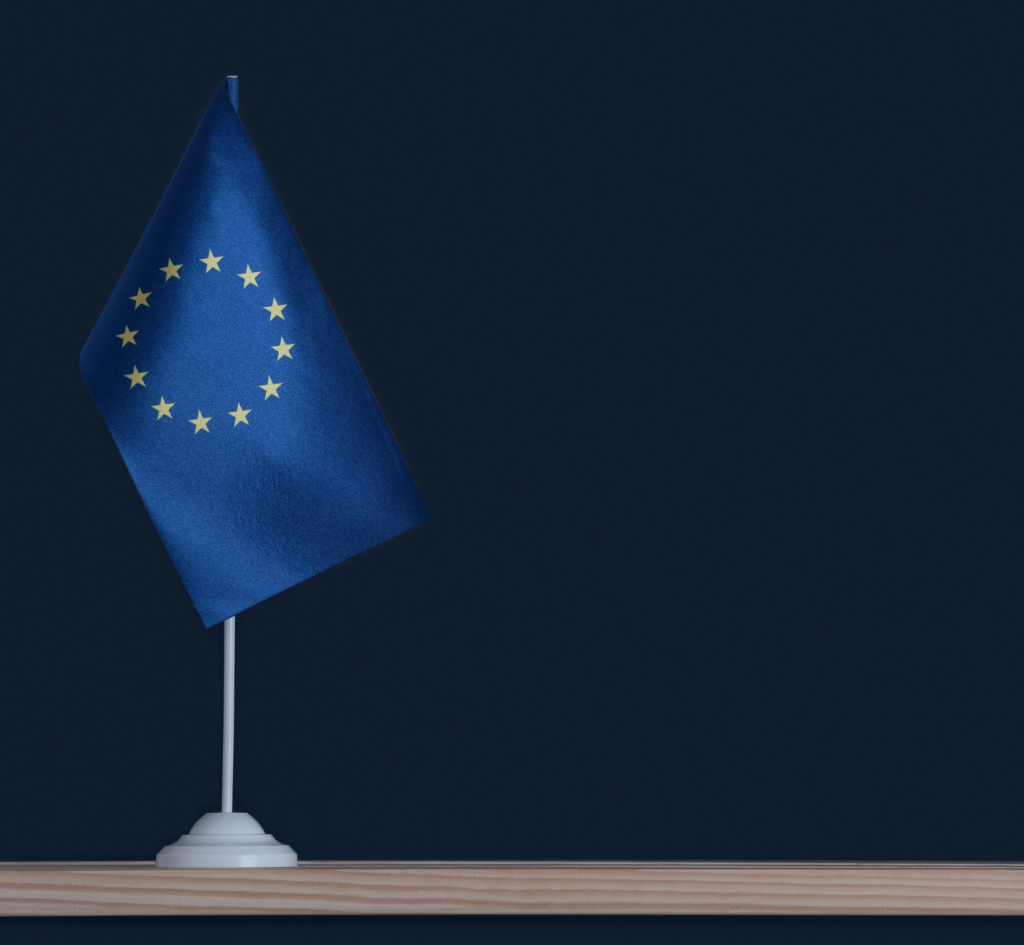
When the European Commission talks about “Better Regulation,” it promises smarter laws, more transparency, and a central role for citizens. In practice, however, ordinary people who take the time to engage with EU consultations often discover something very different: their voices are sidelined, discredited, or simply ignored. The World Vapers’ Alliance (WVA) has just responded to the Commission’s frogak eskatzeko deia on its Better Regulation guidelines to highlight a simple message: you cannot call it “better” if you shut out the people who live with the consequences.
Citizens are not a box to tick
As a consumer movement, WVA represents tens of thousands of users of less harmful nicotine products across Europe. Many of them have switched from smoking to vaping or nicotine pouches and want their experience to inform EU policymaking. They respond to consultations, write to their MEPs, and join campaigns because the EU explicitly invites citizens to participate.
Yet there is a growing sense that these efforts are treated as a formality. Public consultations and calls for evidence are too often handled as administrative steps to “tick off” rather than as a genuine attempt to hear what citizens think. When responses align with what the Commission already wanted to do, they are welcomed as “support.” When they do not, they are quietly pushed aside or re‑framed as somehow less legitimate.
For WVA, this is not a procedural detail – it is a democratic problem. If people invest time and energy in participating, only to see their views dismissed because they are inconvenient, why would they keep engaging? A Better Regulation system that demotivates citizens is failing at its most basic job.
From consultation to rubber stamp
Our experience in tobacco and nicotine policy shows how this plays out in practice. Consultations, impact assessments, and evaluation reports are mandatory steps the European Commission needs to go through, and they are supposed to shape policy options. Instead, they often seem to be drafted after the key political decisions have already been taken and used to justify a chosen line rather than challenge it.
In several files related to tobacco and nicotine, citizens and consumer groups have submitted large numbers of responses against harsher restrictions on less harmful alternatives like vaping and nicotine pouches. Rather than prompting a rethink, this opposition is often explained away: respondents are labelled “industry‑aligned,” fake, or bots, their experiences of quitting smoking are treated as anecdotal, and the proposals move forward largely unchanged.
The formal process remains, but its spirit is hollowed out. What should be a compass becomes a rubber stamp.
Smearing citizens to silence them
A particularly worrying development is the way some actors have tried to discredit entire groups of respondents. In the consultation on the Tobacco Tax Directive, thousands of Europeans used official EU channels to say that higher taxes on safer nicotine products would harm public health by pushing people back to cigarettes or into illicit markets. A good summary of the responses can be found hemen.
Yet, instead of seriously engaging with these arguments, a narrative emerged that many of these responses were “fake,” orchestrated or illegitimate.
A Clearing the Air investigation revealed how a little‑known NGO helped cultivate this story, framing ordinary citizens as astroturf or “industry fronts” simply because they opposed the Commission’s direction. This smear campaign did not just insult individuals; it provided a convenient excuse to discount their views, and it seems the European Commission is buying it. Once people can be labelled as puppets, you no longer have to listen to what they actually said.
What Better Regulation should mean
In our submission to the Commission, we argue that the Better Regulation guidelines need to be brought back to their core purpose: making EU law both more effective and more democratic. That requires more citizen involvement, not less.
For vapers and users of other reduced‑risk nicotine products, these procedural issues have very real consequences. When citizens are excluded, policies on vaping, pouches, or heat‑not‑burn products are shaped by those who have never used them – or who are ideologically opposed to them. That is how we end up with flavour bans, excessive taxes, and restrictions that ignore the lived experience of millions who quit smoking thanks to these alternatives.
But this is not only about nicotine. If public participation can be dismissed in one area, it can be dismissed in others. Today it might be harm reduction; tomorrow it could be food, alcohol, transport, or digital rights. A Better Regulation system that allows institutions to cherry‑pick which citizens count is dangerous for everyone.
The World Vapers’ Alliance will keep amplifying consumers’ voices and defending their right to be heard about policies that shape their lives. As we move into the next round of tobacco and nicotine rules under the TPD, it is time for the Commission to prove that “have your say” is more than a slogan, and that it is ready to listen, even when citizens dare to disagree.

 EU
EU  FR_BE
FR_BE  CS
CS  NL_NL
NL_NL  EN
EN  EN_GB
EN_GB  FR
FR  IT
IT  PL
PL  PT
PT  ES
ES  SV
SV  DE_AU
DE_AU  DE_DE
DE_DE  DA
DA  EL
EL  FI
FI  HR
HR  GA
GA  MT
MT  RO
RO