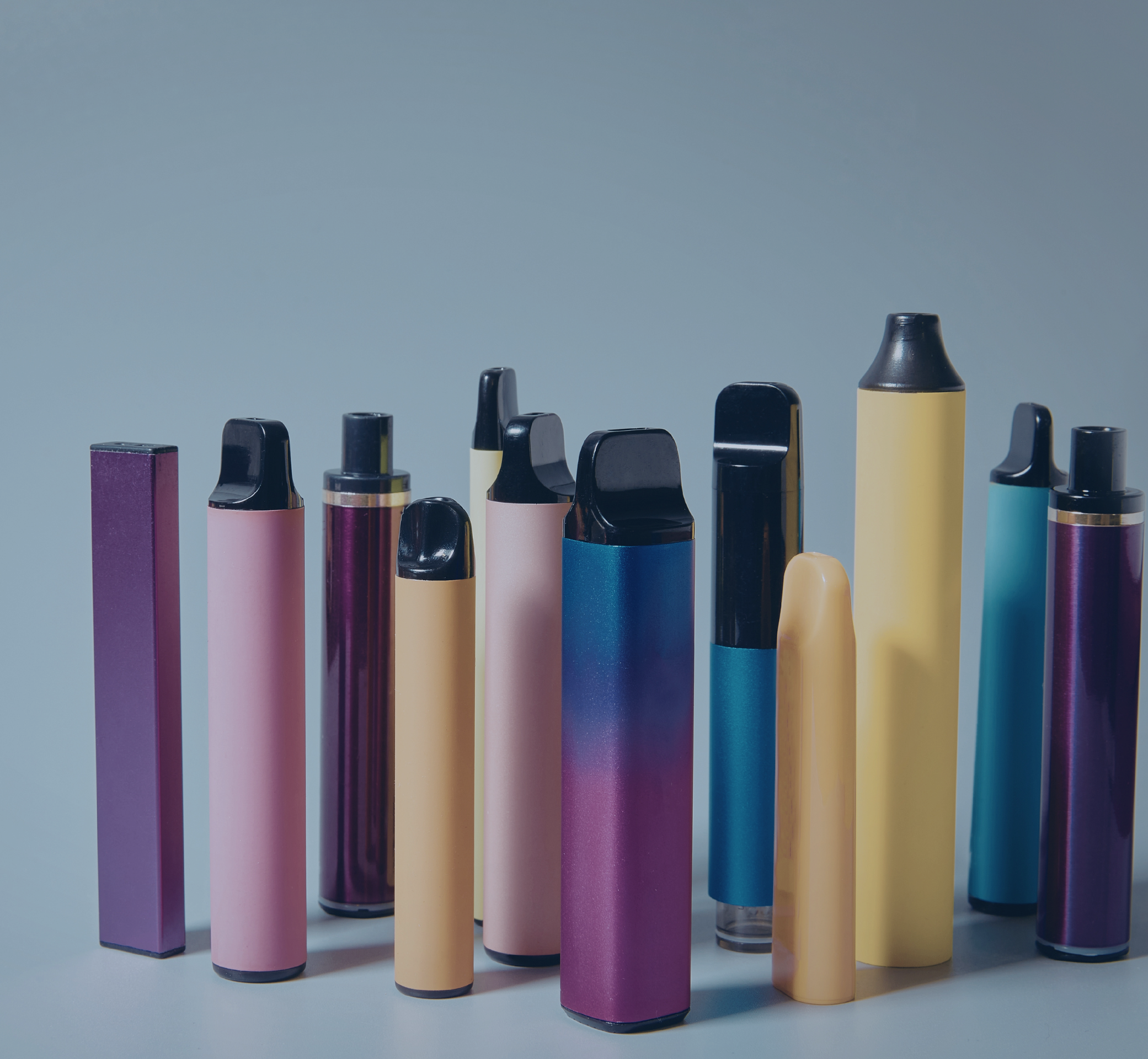
[Dublin, 21 septembrie 2023] — Astăzi, ministrul irlandez al Sănătății, Stephen Donnelly, și-a anunțat intenția de a înăspri reglementările privind vaping-ul – inclusiv o interdicție a țigărilor electronice de unică folosință și o posibilă interdicție a aromelor. Alianța Mondială a Vapers (WVA) îndeamnă factorii de decizie să reconsidere consecințele de amploare pe care această mișcare le-ar avea asupra sănătății publice și a reducerii riscurilor. Astfel de interdicții contrazic abordările de succes privind reducerea riscurilor observate în alte țări, cum ar fi Suedia.
Michael Landl, directorul WVA, declară:, “Prohibiția nu funcționează. Nu a funcționat niciodată și nu va funcționa niciodată. O interdicție a țigărilor electronice de unică folosință nu va elimina cererea, ci o va muta de pe piețele reglementate pe piața neagră, creând consecințe negative și neintenționate asupra sănătății publice.”
Interzicerea țigărilor electronice de unică folosință este contraproductivă pentru reducerea riscurilor, spune Alianța Mondială a Vapers. “Vaperii de unică folosință pot acționa ca o rampă de lansare crucială pentru fumătorii care doresc să renunțe” comentează Landl. “Acestea oferă un punct de intrare ușor, iar mulți consumatori trec în cele din urmă la sisteme deschise. A face ca această cale de la fumat la vaping să fie cât mai lină posibil este esențială pentru sănătatea publică. Deși țigările, cunoscute ca fiind extrem de dăunătoare, rămân ușor disponibile, interzicerea unei alternative mai puțin dăunătoare 95% sfidează logica.”
Aromele de vapat sunt utilizat pe scară largă de către vaperii adulți să renunțe la țigări, iar cercetările arată că utilizarea lor poate crește șansele de renunțare cu 230%. Restricționarea aromelor nu va face decât să-i alunge pe mulți vaperi. pe piața neagră sau înapoi la fumat. De exemplu, Estonia a interzis aromele în 2020, dar există dovezi că majoritatea vaperilor au continuat să le folosească, fie prin fabricarea propriilor lichide, fie apelând la piața neagră.
Michael Landl, directorul Alianței Mondiale a Vaperilor, a subliniat rolul esențial al aromelor în a-i ajuta pe fumători în drumul lor spre renunțarea la fumat. “Interzicerea aromelor ar însemna un dezastru pentru fumătorii care vor să se lase, pentru utilizatorii actuali de țigări electronice și pentru sănătatea publică. Este esențial să se ofere o varietate de arome pentru ca fumătorii să poată face o tranziție cu succes. Interzicerea aromelor ar determina nenumărați consumatori irlandezi să revină la fumat. Acesta ar fi un obstacol inutil în calea către o Irlandă fără fum.”
Între timp, Regatul Unit a recunoscut pe scară largă vapatul ca instrument pentru renunțarea la fumat prin programul său “Swap-to-Stop”, angajamentul de a reduce în continuare ratele fumatului și de a adopta vapatul ca instrument de reducere a riscurilor.
Landl adaugă, “Țările cu o abordare deschisă de reducere a riscurilor, precum Suedia, care recent impozite reduse ”în ceea ce privește snusul, iar Regatul Unit au redus cu succes ratele de fumat prin deschidere către alternative mai puțin dăunătoare. În schimb, ministrul Donnelly ignoră știința și experiența altor țări. Cu aceste politici, el riscă să ghideze Irlanda și mai mult pe calea contraproductivă a prohibiției, eșuând să abordeze eficient cea mai dăunătoare formă de consum de nicotină - fumatul.”


 RO
RO  EU
EU  FR_BE
FR_BE  CS
CS  NL_NL
NL_NL  EN
EN  EN_GB
EN_GB  FR
FR  IT
IT  PL
PL  PT
PT  ES
ES  SV
SV  DE_AU
DE_AU  DE_DE
DE_DE  DA
DA  EL
EL  FI
FI  HR
HR  GA
GA  MT
MT