
In een baanbrekend onderzoek uit 2025, gepubliceerd in Interne en Spoedeisende Hulp, Onderzoekers van de Universiteit van Glasgow en andere volksgezondheidsinstellingen vestigen de aandacht op een cruciaal probleem in de wetenschappelijke communicatie: het wijdverbreide misbruik van de term "roken via e-sigaretten" in de academische literatuur. Het artikel, onder leiding van Yusuff Adebayo Adebisi en collega's, biedt een uitgebreid overzicht van de prevalentie van de term en de schadelijke gevolgen ervan voor wetenschap, beleid en publieke perceptie.
🔥 Roken ≠ Vapen
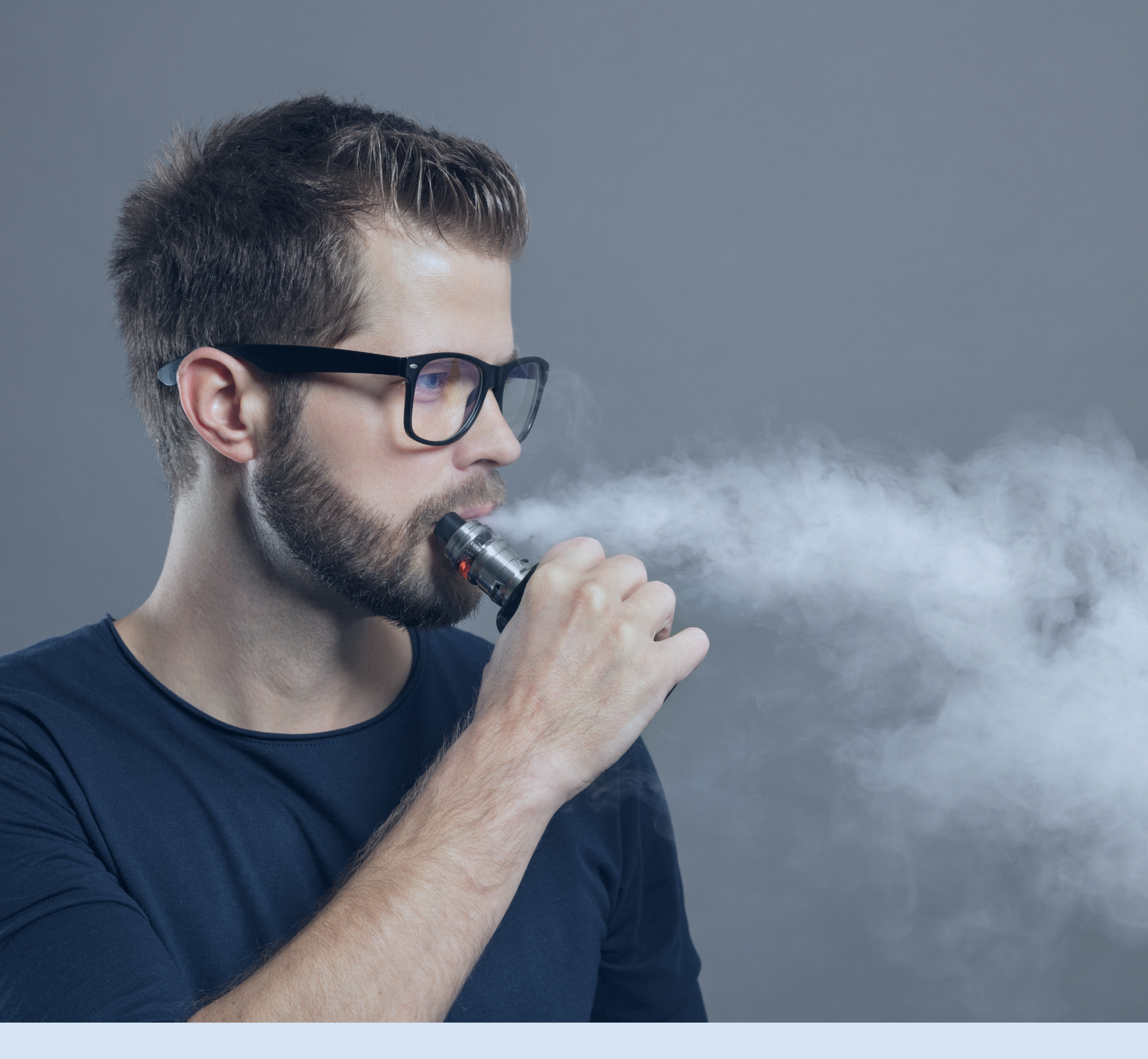
De term "roken via e-sigaretten" lijkt eenvoudig genoeg, maar is misleidend en fundamenteel onjuist. Roken verwijst naar de verbranding van tabak, een proces waarbij teer, koolmonoxide en duizenden giftige chemicaliën vrijkomen. Vapen daarentegen is een vorm van aerosolvorming: het verhitten van een nicotinehoudende vloeistof om damp te produceren zonder iets te verbranden.

Toch bleek uit het onderzoek dat de uitdrukking en varianten ervan tussen 2015 en 2024 in duizenden van wetenschappelijke artikelen, waaronder enkele van de meest geciteerde studies over nicotine en tabak. Google Scholar alleen al leverde meer dan 4600 vermeldingen op. Dit soort taalkundige ontsporing verwart twee gedragingen met drastisch verschillende risicoprofielen, en de gevolgen zijn niet alleen semantisch.
📉 Wetenschappelijke verwarring → Beleidsproblemen
Het voortdurende gebruik van "e-sigaret roken" doet meer dan alleen de terminologie vertroebelen. Volgens de studie ondermijnt het actief:
- Berichtgeving over de volksgezondheidAls vapen zomaar gelijkgesteld wordt aan roken, denken volwassen rokers die overwegen over te stappen mogelijk dat het geen zin heeft. Dit zou een stap die hun blootstelling aan schadelijke stoffen aanzienlijk zou kunnen verminderen, ontmoedigen.
- Wetenschappelijke geloofwaardigheidOnnauwkeurige taal kan twijfels oproepen over de objectiviteit van door vakgenoten beoordeeld onderzoek en kan de manier waarop de resultaten door clinici, journalisten en beleidsmakers worden geïnterpreteerd, verstoren.
- Klinische zorgArtsen die zich baseren op gebrekkige terminologie, kunnen vapers ten onrechte als rokers classificeren. Dit kan leiden tot verkeerde behandelbeslissingen, zoals onnodige kankeronderzoeken of irrelevant advies om te stoppen.
- VerordeningAls deze twee gedragingen gelijk worden gesteld, kan dat ertoe leiden dat overheden beperkingen opleggen aan vape-producten, vergelijkbaar met die voor sigaretten. Dit beleid kan averechts werken, omdat de toegang tot veiligere alternatieven voor nicotine hierdoor wordt beperkt.
🧠 Woorden doen ertoe, vooral in de volksgezondheid
De auteurs van de review draaien er geen doekjes om. Ze noemen het gebruik van "roken van e-sigaretten" een hardnekkige taalfout die "verschillen in verslavingsmechanismen, schadebeperkend potentieel en publieke risicopercepties verhult". Ze dringen er bij wetenschappelijke tijdschriften op aan om hun redactionele beleid te herzien en gestandaardiseerde termen te gebruiken zoals “vapen” of “gebruik van e-sigaretten”, en vermijd verwarring tussen gedragingen.
Ze zijn niet de enigen. Vooraanstaande experts op het gebied van schadebeperking wijzen er al lang op dat het noemen van vapers als "rokers" het stigma versterkt, het publiek in verwarring brengt en te brede regelgeving rechtvaardigt die het werkelijke risicospectrum van nicotineproducten niet weerspiegelt.
🚫 Laten we het niet langer 'roken' noemen“
Het gaat er niet alleen om de taal te corrigeren. Het gaat erom ervoor te zorgen dat mensen – met name volwassen rokers die op zoek zijn naar veiligere opties – accurate informatie ontvangen van onderzoek, media en zorgverleners. Het gaat erom beleid te baseren op bewijs, niet op verouderde of misleidende terminologie.
Zoals de auteurs concluderen: “Het verkeerd voorstellen van vapen als een vorm van roken kan schadebeperking ontmoedigen, de risicocommunicatie verstoren en de ontwikkeling van een evenwichtig, op bewijs gebaseerd beleid ondermijnen.”
Laten we de lat hoger leggen. Laten we zeggen wat we bedoelen – en stoppen met vapen 'roken' te noemen.“
📚 Studie Referentie:
Adebisi YA, Jimoh ND, Ngoma C. “'E-sigaret roken' is een misleidende term: een kritische beoordeling van het gebruik ervan in de academische literatuur.‘ Interne en Spoedeisende Hulp. 2025. Link naar studie
Disclaimer: De meningen en standpunten die worden geuit in gastberichten die op de website van de World Vapers' Alliance worden gepubliceerd, zijn die van de individuele auteurs en vertegenwoordigen niet noodzakelijkerwijs de standpunten of standpunten van de World Vapers' Alliance of haar partners. De publicatie van content van derden houdt niet in dat WVA de daarin geuite standpunten onderschrijft.



 NL_NL
NL_NL  EU
EU  FR_BE
FR_BE  CS
CS  EN
EN  EN_GB
EN_GB  FR
FR  IT
IT  PL
PL  PT
PT  ES
ES  SV
SV  DE_AU
DE_AU  DE_DE
DE_DE  DA
DA  EL
EL  FI
FI  HR
HR  GA
GA  MT
MT  RO
RO
2 reacties