
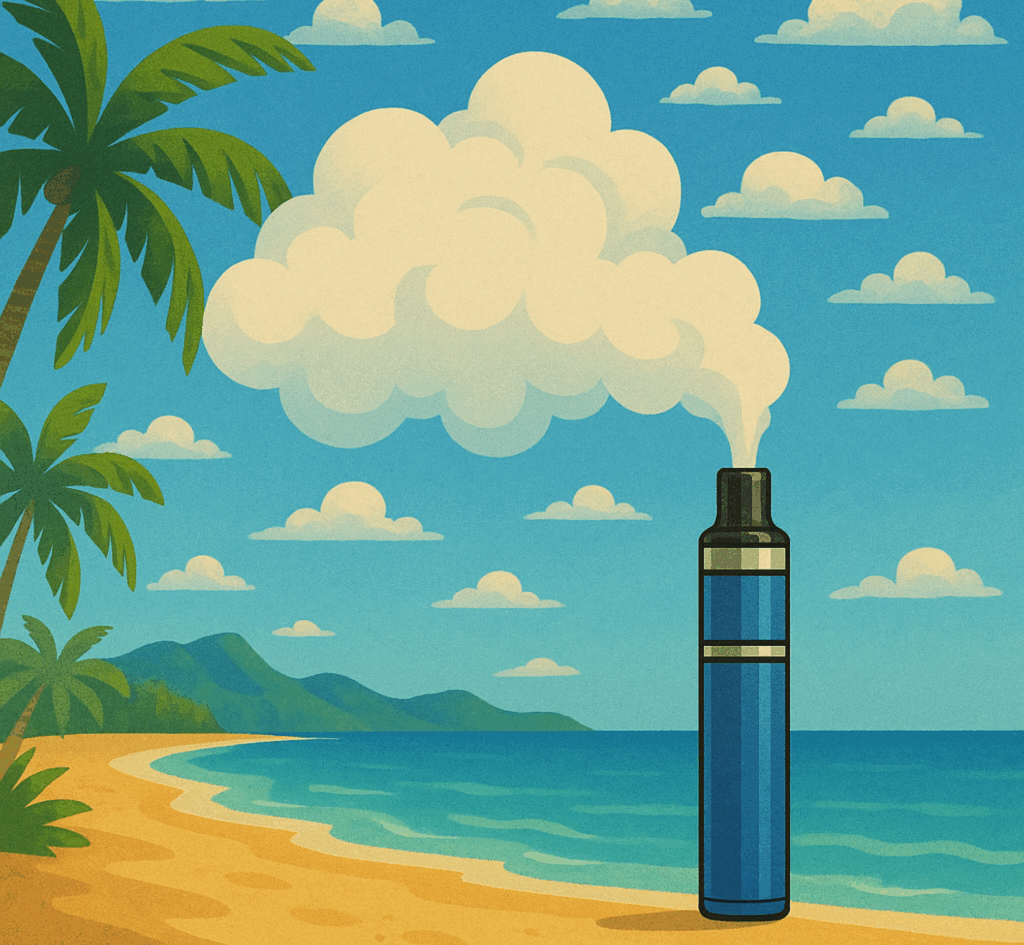
As the world prepares for COP11 in Geneva this November, most eyes are on the usual global heavyweights. But this year, the most important voices in the room might come from smaller nations—countries like Trinidad & Tobago, Barbados, and St. Kitts & Nevis—who are stepping up to demand science-based, harm-reduction-focused public health policies.
In a process dominated by secrecy, donor-driven agendas, and anti-innovation bias, these countries have a unique chance to lead by example—and shift the global conversation on tobacco control.
Breaking Through the Silence
At COP10, St. Kitts & Nevis made waves by proposing the creation of a Working Group on Tobacco Harm Reduction—a bold move that would have introduced a long-overdue platform for science-based dialogue. The proposal was shut down without explanation.
This kind of arbitrary exclusion isn’t new. The WHO Framework Convention on Tobacco Control (FCTC) has been criticized for closed-door meetings, ideologically framed agenda items, and lack of transparency. Powerful private funders like Michael Bloomberg continue to shape the agenda, while consumer voices are locked out.
But that may be starting to change.
A Moment for Caribbean Leadership
Just this year, Trinidad & Tobago’s Minister of Health, Terrence Deyalsingh, confirmed that the government is actively collecting baseline data to inform future regulation of vaping products. This is the first step toward amending the country’s Tobacco Act to include risk-proportionate regulation—recognising that safer nicotine alternatives should not be treated the same as cigarettes. It’s a promising sign that the country may soon align its domestic policy with the growing international evidence in favour of harm reduction.
Meanwhile, in Barbados, prominent voices are urging the government to take a leading role in reshaping global tobacco control at COP11 by defending harm reduction and demanding transparency and inclusion.
These are not isolated moments. They are part of a growing recognition that one-size-fits-all prohibition doesn’t work—and that harm reduction saves lives.
And when it comes to COP, size doesn’t determine impact. Every Party to the FCTC—large or small—has an equal voice. Because decisions at COP are adopted by consensus, even one country speaking up can prevent misguided policies from moving forward. That’s why it’s crucial that Caribbean nations like Trinidad & Tobago, Barbados, and others use their platform to demand balance, transparency, and science-based policymaking.
Zergatik den garrantzitsua hau
Countries like Sweden, the UK, New Zealand, and Japan are proof that supporting access to safer nicotine alternatives can dramatically reduce smoking:
- Sweden’s smoking rate is under 6%—the lowest in the world—thanks to snus, nicotine pouches, and vaping.
- The UK has halved smoking since 2012 through bold public health campaigns and access to alternatives.
- Japan cut cigarette sales in half by regulating heat-not-burn products.
- New Zealand has reduced smoking by 50% in just five years by promoting vaping—especially in underserved communities.
Yet at COP11, some Parties and the Convention Secretariat will again try to ignore these success stories and push for bans, flavour restrictions, tax hikes, and punitive measures on the very tools that help smokers quit. That’s why all countries supporting evidence-based policymaking must make their voices heard, regardless of their size.
A Global Leadership Opportunity
The future of global tobacco control shouldn’t be dictated by the loudest donors or the biggest countries. It should be shaped by facts, compassion, and courage.
For countries like Trinidad & Tobago, Barbados, and St. Kitts & Nevis, COP11 is a chance to lead—not by power, but by principle.
When smaller nations speak up for harm reduction, they speak up for millions all around the globe.

 EU
EU  FR_BE
FR_BE  CS
CS  NL_NL
NL_NL  EN
EN  EN_GB
EN_GB  FR
FR  IT
IT  PL
PL  PT
PT  ES
ES  SV
SV  DE_AU
DE_AU  DE_DE
DE_DE  DA
DA  EL
EL  FI
FI  HR
HR  GA
GA  MT
MT  RO
RO