
Während sich politische Entscheidungsträger und internationale Gesundheitsbeamte in Dublin versammeln, um die Zukunft der Tabak- und Nikotinregulierung zu gestalten, fehlt eine Perspektive eklatant: die Stimme der Verbraucher.
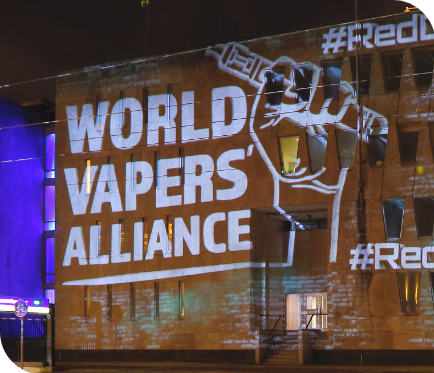
Der Ausschluss der am stärksten Betroffenen bei der Weltkonferenz zur Tabakkontrolle, Die Tatsache, dass erwachsene Raucher, Dampfer und Nutzer sichererer Alternativen nicht nur vernachlässigt werden, ist ein grundlegender Mangel in der globalen Tabakkontrolle. Jüngste Maßnahmen, darunter eine Lichtshow und stiller Protest, hob diese Ungerechtigkeit hervor.
Das eigentliche Problem bleibt jedoch bestehen: Die Stimmen der Verbraucher werden ignoriert, während prohibitionistische Maßnahmen, oft getrieben von einflussreichen Interessengruppen wie Michael Bloomberg und der WHO, die Tagesordnung dominieren.
Dieser Ausschluss ist besonders gefährlich, da die Welt vor einem entscheidenden Wendepunkt in der Tabakpolitik steht. Im November treffen sich die Regierungen in Genf zur COP11, um über die Zukunft des Rahmenübereinkommens zur Eindämmung des Tabakgebrauchs (FCTC) zu verhandeln. Dieser Prozess hat Verbraucher lange Zeit an den Rand gedrängt und Strategien zur Schadensminderung abgelehnt.
Gleichzeitig laufen in der Europäischen Union Vorbereitungen zur Überarbeitung der Tabakproduktrichtlinie (TPD). Der Gesetzgebungsprozess soll voraussichtlich unter irischer Ratspräsidentschaft im Juli 2026 beginnen. Auch die lange verzögerte Aktualisierung der Tabaksteuerrichtlinie (TED) steht wieder zur Debatte. Diese parallelen Entwicklungen werden die zukünftige Nikotinpolitik in Europa und weltweit prägen. Es wird sich zeigen, ob die politischen Entscheidungsträger Innovationen und Schadensminimierung fördern oder einen prohibitionistischen Kurs bekräftigen, der die im Bereich der öffentlichen Gesundheit erzielten Fortschritte gefährdet.
Eindeutige Erkenntnisse aus den letzten Jahrzehnten in Ländern wie Schweden, Großbritannien und Neuseeland belegen, dass sicherere Nikotinalternativen – wie E-Zigaretten, Nikotinbeutel und Snus – die Raucherquoten drastisch senken. In jüngster Zeit wurden nationale Strategien in Griechenland und Tschechien haben auch gezeigt, wie pragmatische Schadensminderungsstrategien zu echten Verbesserungen der öffentlichen Gesundheit führen können.
Dennoch scheint sich die Europäische Union zunehmend dem veralteten und ideologisch geprägten Ansatz der Weltgesundheitsorganisation anzuschließen. Laut einer durchgesickertes Dokument, Die Europäische Kommission erwägt eine deutliche Steuererhöhung für alle alternativen Nikotinprodukte.
Andere durchgesickerte Entwürfe von Kommissionsvorschlägen deuten auf Verbote von Aromen in E-Zigaretten und Beschränkungen für Nikotinbeutel hin. Genau diese Art von Maßnahmen hat sich andernorts als gescheitert erwiesen. Anstatt die öffentliche Gesundheit zu schützen, riskieren diese Maßnahmen, den Zigarettenabsatz zu fördern, indem sie den Zugang zu weniger schädlichen Alternativen einschränken.
Dieser Ansatz ist jedoch nicht nur verfehlt, sondern im Kern antidemokratisch. Als die Welt-Vaper-Allianz über 100.000 Unterschriften Der Appell an das Europäische Parlament, den Schutz von Maßnahmen zur Schadensminderung zu fordern, offenbarte eine wachsende Kluft zwischen EU-Politikern und den Bürgern, denen sie dienen. Es handelte sich nicht um Lobbyisten von Konzernen, sondern um ganz normale Europäer, die dank Alternativen wie dem Dampfen mit dem Rauchen aufgehört hatten und nun den Verlust dieser Möglichkeiten befürchten müssen – und deren Abgeordnete sie völlig ignorierten.
Unterdessen verfolgt das Rahmenübereinkommen der WHO zur Eindämmung des Tabakkonsums (maßgeblich finanziert von Michael Bloomberg) weiterhin ein einheitliches Modell, das ausschließlich auf Abstinenz setzt. Die Folge waren Verbote von vermeintlich sichereren Produkten, während herkömmliche Zigaretten weiterhin weit verbreitet erhältlich sind. In Ländern wie Mexiko und Indien beraubte ein von Bloomberg unterstütztes Verbot von E-Zigaretten Raucher praktikabler Alternativen. Wird die EU denselben Fehler wiederholen?
Es ist noch Zeit, den Kurs zu ändern. Die EU kann mit gutem Beispiel vorangehen und sich für evidenzbasierte Regulierung einsetzen, die die Verbraucher in den Mittelpunkt der Politikgestaltung stellt. Schadensminimierung ist kein Schlupfloch, sondern eine lebensrettende Strategie, wie die historischen Rückgänge rauchbedingter Krankheiten in einigen Ländern belegen. Das Rahmenübereinkommen zur Eindämmung des Tabakgebrauchs (FCTC) muss dies anerkennen, und die EU sollte sich für dessen Aufnahme starkmachen, anstatt sich hinter ideologischen Überzeugungen zu verstecken.
Politiker müssen dem Druck von Befürwortern eines Tabakverbots wie Michael Bloomberg widerstehen und stattdessen intelligentere, wissenschaftlich fundierte und auf realen Auswirkungen basierende Regulierungen fördern. Die COP11 darf nicht zu einem weiteren Gipfel hinter verschlossenen Türen werden, bei dem die Stimmen der Verbraucher ungehört bleiben und überholtes Denken die Oberhand gewinnt. Diese Stimmen zum Schweigen zu bringen, wird sie nicht verschwinden lassen – es wird nur das Misstrauen vertiefen und den Fortschritt verzögern. Die EU steht nun vor einer entscheidenden Wahl: die Menschen, die sie vertritt, zu ignorieren oder eine neue Ära der Tabakkontrolle einzuleiten, die Leben rettet, indem sie sie stärkt.
Bilder der Protestaktion und Lichtshow der WVA in Dublin sind zu finden. Hier.
Ursprünglich veröffentlicht Hier



 DE_DE
DE_DE  EU
EU  FR_BE
FR_BE  CS
CS  NL_NL
NL_NL  EN
EN  EN_GB
EN_GB  FR
FR  IT
IT  PL
PL  PT
PT  ES
ES  SV
SV  DE_AU
DE_AU  DA
DA  EL
EL  FI
FI  HR
HR  GA
GA  MT
MT  RO
RO