

Thailands igangværende forbud mod e-cigaretter, støttet af Verdenssundhedsorganisationen (WHO), er en politik, der er dybt afkoblet fra den virkelige verden og stemmerne fra dem, den påvirker mest: forbrugerne, der søger sikrere alternativer til rygning.
WHO's godkendelse Afslutningen af Thailands forbud mod vaping-produkter er ikke overraskende i betragtning af landets mangeårige position i henhold til rammekonventionen om tobakskontrol (FCTC). Denne tilgang ignorerer dog beviser for, at forbud ikke reducerer vaping eller tobaksrygning. I stedet giver forbud næring til blomstrende sorte markeder. Enhver, der kender Thailand, kan bevidne, at vapes sælges ulovligt overalt, hvilket afspejler sådanne restriktioners fiasko. Australiens erfaring bekræfter yderligere dette mønster: for strenge restriktioner driver kun ulovlig handel og voldelig konflikt, hvilket minder om den amerikanske forbudsæra. WHO's ideologiske fokus på forbud undlader at adressere disse konsekvenser og ignorerer de komplekse realiteter på stedet.
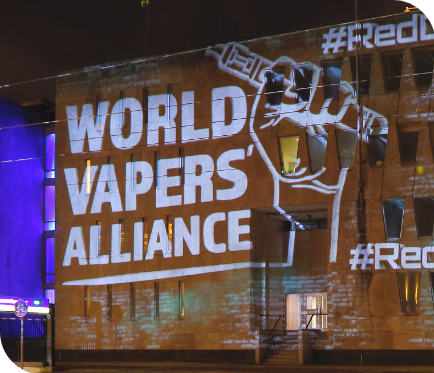
Udover at udelukke cigaretvirksomheder fra politikudformning – i henhold til artikel 5.3 i FCTC – udelukker de thailandske myndigheder og WHO også systematisk forbrugerne selv fra disse kritiske diskussioner. Denne mangel på inklusion afslører en bekymrende foragt for nikotinforbrugere og en manglende respekt for deres rettigheder og indsigt. World Vapers' Alliance's Stemmer uhørt Kampagnen fremhæver kraftigt denne uretfærdighed og taler for forbrugerrepræsentation og evidensbaserede skadesreduktionspolitikker. Efterhånden som COP11 nærmer sig, bliver denne kamp for inklusion endnu mere presserende for at udforme fornuftige, livreddende regler.
Påstande om fremskridt fra thailandske anti-tobaksfortalere bør også granskes. Dr. Prakit Vathesatogkit, formand for Action on Smoking and Health (ASH) Thailand, kan prale af en reduktion i rygning på 49% over 32 år, men næsten 10 millioner thailændere ryger stadig. I mellemtiden opnåede Sverige en reduktion på 55% på bare et årti ved at anvende skadesreducerende produkter og er næsten røgfri. Denne sammenligning viser, at Thailands langsomme tilbagegang skyldes, at man afviser mindre skadelige alternativer i stedet for at anvende dem.
Sundhedsmyndigheder advarer om, at markedsføring af e-cigaret fejlagtigt fremstiller vaping som mindre skadeligt, men videnskabelig konsensus bekræfter, at e-cigaretter er betydeligt mindre skadelige end cigaretter. At benægte denne sandhed skader intet andet end folkesundhedsindsatsen ved at holde rygere fanget i mere farlige vaner.
Endelig viste ThaiHealth-undersøgelsen, at en fjerdedel af de adspurgte studerende havde prøvet e-cigaretter. Hvis dette er korrekt, afslører det tydeligt, at forbuddet ikke har forhindret unge i at få adgang til dem. I stedet for ærlig, evidensbaseret kommunikation læner den politiske reaktion sig i høj grad op ad skræmmekampagner og ideologisk rigiditet, og ingen af disse beskytter effektivt folkesundheden.
Afslutningsvis ignorerer Thailands forbud mod e-cigaretter, som er godkendt af WHO, beviser for vækst på det sorte marked, udelukker kritiske forbrugerstemmer og formår ikke at sikre effektiv skadesreduktion sammenlignet med lande som Sverige. World Vapers' Alliance opfordrer politikere på COP11 og fremover til at kæmpe imod og anerkende vigtigheden af at inkludere forbrugerne og støtte videnskabeligt baserede strategier til skadesreduktion.

 DA
DA  EU
EU  FR_BE
FR_BE  NL_BE
NL_BE  CS
CS  NL_NL
NL_NL  EN
EN  EN_GB
EN_GB  FR
FR  IT
IT  PL
PL  PT
PT  ES
ES  SV
SV  DE_AU
DE_AU  DE_DE
DE_DE  EL
EL  FI
FI  RO
RO
En reaktion