

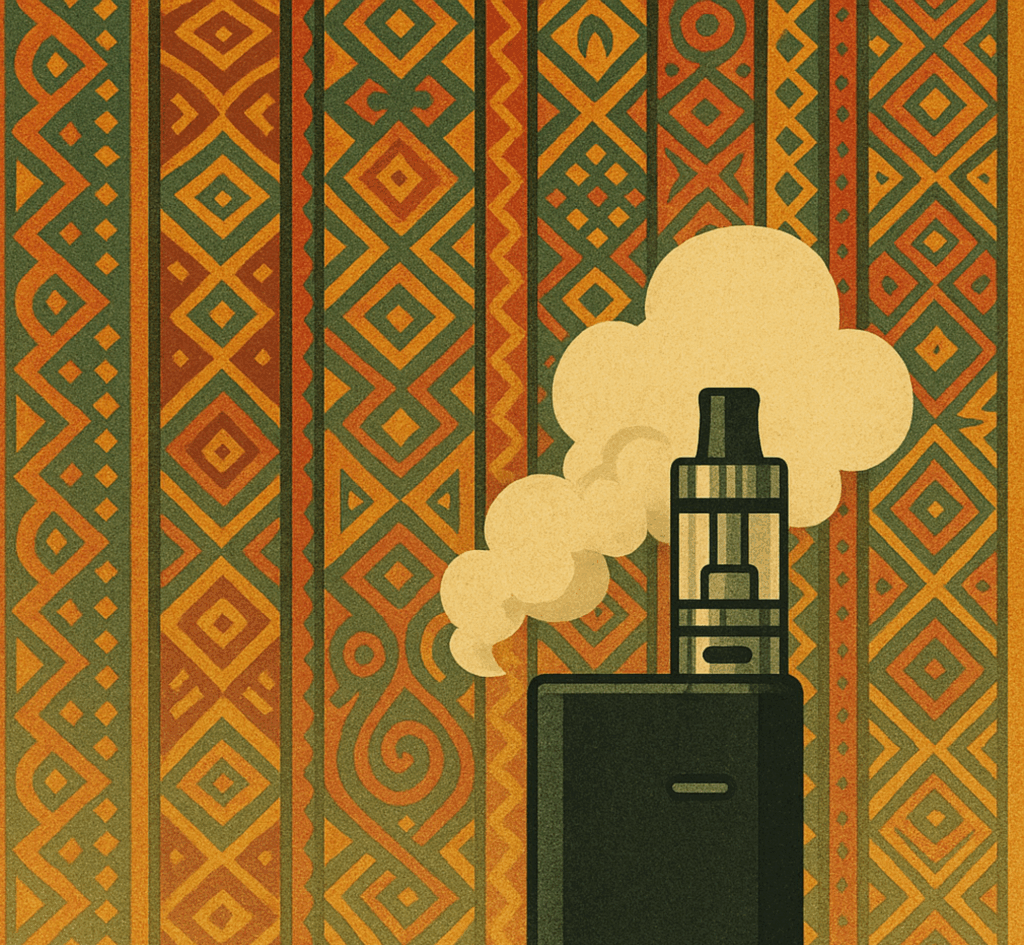
In November this year, governments from across the world will gather in Geneva for COP11, the global meeting of the Framework Convention on Tobacco Control (FCTC). For Africa, the stakes could not be higher. Almost every country on the continent has signed onto the treaty, but the reality is that enforcement remains weak. Laws on smoke-free spaces, taxes, and health warnings exist, but implementation is patchy. Limited resources, lack of political will, and deep-rooted cultural acceptance of tobacco mean millions remain exposed to preventable disease and death.
This is why COP11 matters. Africa cannot continue fighting a 21st-century tobacco epidemic with only half-measures. Yes, traditional strategies like high taxes, ad bans, and smoke-free policies are crucial. But they are not enough. The continent needs to include harm reduction in the conversation.
Harm reduction is simple: give people who smoke access to safer alternatives so they can move away from the most dangerous form of tobacco use-burning cigarettes. Products like nicotine pouches, regulated e-cigarettes, or medicinal nicotine therapies are not risk-free, but they are far less harmful than smoking. In a region where quitting support is limited and enforcement is thin, these alternatives could be a game-changer.
The debate is often framed as either-or: either we enforce the FCTC perfectly, or we risk undermining it with new products. But that thinking is flawed. Africa doesn’t have the luxury of waiting until institutions are stronger and resources are endless. Harm reduction doesn’t replace traditional measures; it complements them. By regulating safer products carefully, setting standards, keeping them out of the hands of young people, and taxing them differently from cigarettes, governments can cut smoking rates faster, save money on health care, and save lives.
COP11 is the moment for Africa to demand a more realistic, risk-based approach. Instead of being left behind, the continent can lead by showing that tobacco control must be pragmatic, not just aspirational. For African policymakers, the choice is clear: hold on to rigid approaches that have failed to deliver, or embrace harm reduction as a tool to close the gap between good laws on paper and real health progress on the ground.
Without proper regulation, however, Africa is already experiencing a surge in illicit and unregulated products flooding the market, thereby putting consumers at even greater risk.
We cannot wait for perfect enforcement of every FCTC article before taking action. By combining traditional measures with regulated harm reduction, governments can speed up the decrease in smoking, protect young people, and prevent hundreds of thousands of unnecessary deaths.
The world will be watching in Geneva. Africa should speak with one voice: harm reduction is not a threat to tobacco control; it is the missing piece that can help us finally turn the tide.
Disclaimer: De meningen en standpunten die worden geuit in gastberichten die op de website van de World Vapers' Alliance worden gepubliceerd, zijn die van de individuele auteurs en vertegenwoordigen niet noodzakelijkerwijs de standpunten of standpunten van de World Vapers' Alliance of haar partners. De publicatie van content van derden houdt niet in dat WVA de daarin geuite standpunten onderschrijft.


 NL_NL
NL_NL  EU
EU  FR_BE
FR_BE  CS
CS  EN
EN  EN_GB
EN_GB  FR
FR  IT
IT  PL
PL  PT
PT  ES
ES  SV
SV  DE_AU
DE_AU  DE_DE
DE_DE  DA
DA  EL
EL  FI
FI  HR
HR  GA
GA  MT
MT  RO
RO
Eén reactie